 World Magazine 2024

Condo ownership in Singapore offers access to private housing with strong market demand and structured financing.
Buying a condo requires careful assessment of mortgage limits and payment commitments
Key financial frameworks include LTV (Loan-to-Value limit), TDSR (Total Debt Servicing Ratio), and the payment stages involved in the purchase of a new unit.
Let’s discuss these options in greater detail.
Table of Contents
Housing Loan Options

Careful preparation supports smoother financing and reduces the chance of financial strain. Buyers can strengthen their plans through several practical measures.
Some key actions that help maintain healthy cash flow include:
Keeping monthly obligations within TDSR limits, especially for applicants carrying existing debts.
Reducing ongoing loan commitments before applying, when possible.
Selecting an interest package that fits personal comfort is another important decision. Fixed rates offer predictable payments, while floating rates may shift with market trends, so each buyer assesses preferences and income expectations.
CPF OA funds can ease initial cash requirements, yet emptying the account fully may strain future retirement savings. Many buyers keep part of their CPF balance untouched as a reserve for later instalments.
Shorter loan tenures significantly reduce total interest paid, though monthly instalments rise. Applicants often weigh short-term affordability against long-term cost savings.
Obtaining an Approval in Principle (AIP) early provides clarity on borrowing limits and helps buyers secure units more confidently when dealing with sellers or developers.
Common Pitfalls to Avoid
Several missteps often create long-term issues for property buyers. Awareness of these risks helps prevent unnecessary stress.
Key oversights include:
- Overcommitting without reviewing LTV or TDSR limits, which may cause loan rejections or unexpected cash requirements.
- Underestimating interest exposure across many years, particularly when rates climb.
- Ignoring ongoing obligations such as property tax, maintenance fees, conservancy costs, and legal charges.
Relying too heavily on CPF funds and leaving insufficient amounts for future needs or retirement.
Recent Regulatory Updates to Note
New rules introduced in recent years continue to influence home financing in Singapore. buyers benefit by keeping up to date with these adjustments.
Important changes include:
- Aug 2024 updates that fixed HDB loan LTV at 75 percent for all eligible borrowers, lowering maximum leverage.
- Adjustments to TDSR for specific refinancing cases and Mortgage Withdrawal Loans, giving borrowers additional room to manage instalments.
Banks adopting stricter assessments for certain applicants and assigning lower LTVs when financial exposure appears high.
Stages of Condo Financing and Payment

Condo purchases in Singapore follow a structured sequence of payments. Buyers planning for new launches follow a progressive schedule aligned with construction milestones, while resale purchases involve different timing. Clear preparation ensures that funds, CPF usage, and loan approvals are ready at each stage.
Booking the Condo (Option to Purchase – OTP)
Booking begins with the Option to Purchase. Buyers secure the unit by paying an option fee, usually 5 percent of the purchase price.
This payment is made in cash and signals a commitment to proceed with the transaction.
A limited window is provided to exercise the option, during which loan approval and financial checks should be completed.
Signing the Sales & Purchase Agreement
Signing the S&P marks formal acceptance of the purchase.
Upon signing, buyers pay the remaining part of the initial down payment. This includes the earlier 5 percent cash plus another 20 percent, which may be paid using CPF or cash.
Stamp duty and legal fees enter at this stage, covering documentation, legal conveyancing, and government taxes based on property value. Buyers often prepare CPF withdrawals in advance to avoid delays.
Progressive Payment Scheme (for new launches)

New launch condos use a progressive payment scheme tied to construction progress.
Payments shift gradually as the building reaches key milestones, allowing buyers to start servicing loans only when needed.
The typical structure is as follows:
- 5 percent at booking
- 15 percent upon signing the S&P
- 10 percent at completion of foundation
- 10 percent at completion of framework
Further portions follow as the project reaches internal works, external completion, and final inspection
This staged system helps spread out cash-flow needs over several years, which benefits buyers who want time to grow income or savings while construction continues.
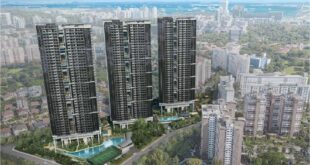
A good example is Lentor Gardens Residences, a new 99-year leasehold development in District 26, which is an example of a project following the progressive payment model. With around 500 units and staged construction tied to the Thomson-East Coast Line expansion, buyers can manage financing while awaiting completion.
Loan Disbursement
Loan disbursements occur gradually, mirroring construction progress. After each stage is certified complete, the bank releases payment directly to the developer.
Monthly instalments begin only after each disbursement, so early stages may involve small repayments.
Full repayment only begins once most of the loan has been released near project completion.
Tips for Home Loan Planning
Strong preparation helps buyers reduce risk and avoid financial strain. Several strategies support long-term affordability and better loan outcomes.
Keeping monthly obligations within TDSR limits helps maintain stable cash flow. Buyers with existing debts may consider reducing commitments before applying.
Choosing between fixed and floating rates should follow personal comfort with risk and expected income growth. Fixed rates offer stability, while floating rates may change with market conditions.
Using CPF OA funds can reduce cash needs but draining the account completely may affect retirement planning. Many buyers choose to retain a buffer in CPF for future mortgage payments.
Shorter loan tenures cut interest costs but raise monthly instalments, so buyers weigh long-term savings against near-term affordability.
Buyers interested in projects like Newport Residences, a freehold development located in the Central Business District, may face higher absolute price points due to location and tenure. This makes careful evaluation of tenure, interest structure, and potential rental yield essential when assessing long-term loan affordability in core areas.
Obtaining an Approval in Principle (AIP) early sets clear expectations about how much can be borrowed. Sellers and developers often request AIP confirmation before proceeding.
Common Pitfalls to Avoid

Several frequent mistakes can put buyers at financial risk, especially those purchasing private property for the first time.
Overcommitting without checking LTV or TDSR limits may lead to rejected applications or cash shortfalls.
Ignoring interest exposure across a multi-decade loan can create long-term financial pressure, especially if interest rates rise.
Failing to account for property tax, conservancy costs, maintenance fees, and legal charges may disrupt monthly budgeting.
Overestimating CPF funds may prevent adequate retirement savings or reduce reserves needed for future instalments.
Recent Regulatory Updates to Note
Recent policy shifts influence how buyers approach financing in Singapore.
Aug 2024 changes set HDB loan LTV at 75 percent for all eligible applicants, reducing leverage and encouraging better financial discipline.
TDSR rules gained additional flexibility for refinancing and Mortgage Withdrawal Loans under certain scenarios, helping borrowers manage rising interest rates.
Banks may assign lower LTVs if risk assessments reveal higher financial exposure or unstable income, giving lenders discretion to manage lending risk responsibly.
Summary
Good financial preparation supports stable condo ownership in Singapore.
Clear knowledge of LTV rules, TDSR limits, and staged payments allows buyers to stay within safe borrowing capacity.
Early planning and consultation with financial institutions or advisors can prevent missteps and improve long-term security.