 World Magazine 2024
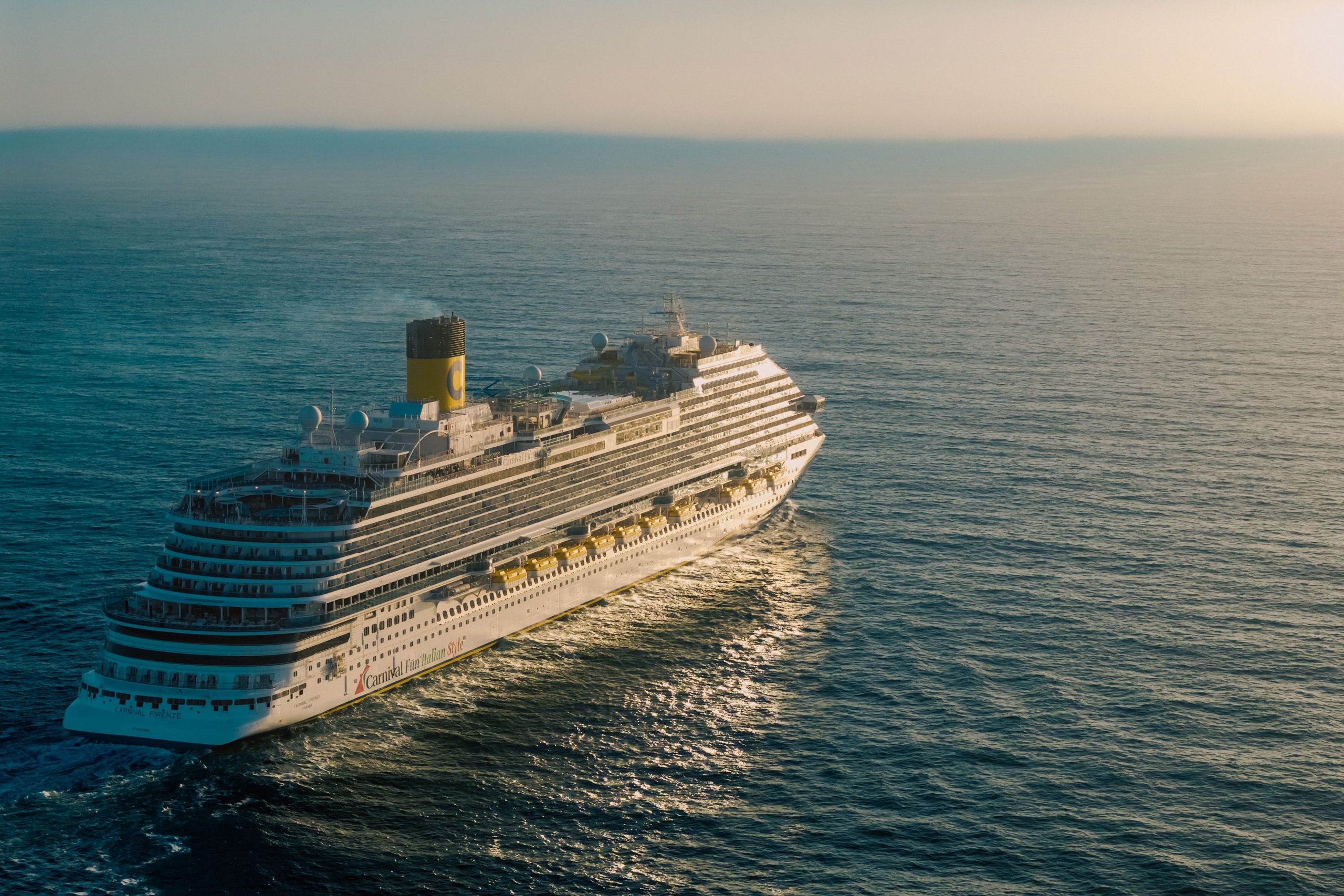
The record 37.2 million people who took an ocean cruise in 2025 have one thing in common: most of them will do it again. Cruise Lines International Association, which published that figure in its 2026 State of the Cruise Industry report in April, found that nearly 90% of passengers intend to sail again. Fall is where a lot of that repeat business lands, because the season removes the two things that spoil a port day: school holiday crowds and peak fares.
What it does not remove is weather. Atlantic hurricane season runs into November. Late October Mediterranean sailings can meet rain and rougher seas. By September, Alaska has cooled to average highs near 55°F. Choose the wrong week and you spend the day watching a storm from a lounge instead of a coastline.
So the useful question is not where to cruise in fall 2026. It is which version of fall you want: peak color, cheap shoulder fares, or one more pass at a warm sea. The seven trips below are sorted by which of those you are actually chasing, and I have flagged the single itinerary here that needs its dates verified before you book.
Table of Contents
Fall 2026 timing at a glance
| Destination | Best window in fall 2026 | What you get |
|---|---|---|
| Alaska | Early to mid September | Shoulder prices, calving glaciers, fewer ships, highs near 55°F |
| Canada and New England | Late September to mid October | Peak foliage moving north to south, lighthouses, cool nights |
| Norwegian fjords (from London) | Late September to mid October | Autumn light on the fjords, no-fly departures from Southampton |
| Mediterranean | September, or October with real rain risk | Warm sea, thin crowds, grape harvest season |
| Danube river | Late September to early November | Vineyard color, compact old towns, calm water |
| Japan (Kyoto) | Late November to mid December | Maple and ginkgo peak, temple gardens, momijigari |
| India east coast | Verify the sailing; land portion October to November | Chennai gateway, Sri Lanka ports, Golden Triangle |
Timing compiled from the Japan Meteorological Corporation (September 2026), The Old Farmer’s Almanac 2026 foliage map, Boston Globe foliage reporting (September 2026), Cruise Critic’s Mediterranean season guide, and 2026 sailing schedules published by MSC, Celebrity, P&O, Cunard and Avalon. All prices are per person and were current when checked in September 2026.
1. Alaska: the last quiet month before the fleet leaves
Alaska welcomed just over 1.7 million cruise passengers in 2025, a flat year overall, according to the CLIA report. Almost all of them sailed between May and August. September is the month the crowds thin and the light turns gold.
MSC’s port guide puts September average highs at about 55°F and notes the month stays relatively dry. Longer nights improve the odds, though never the guarantee, of catching the northern lights. It is also mating season for caribou, moose and muskoxen, which is a decent reason to book a wildlife excursion.
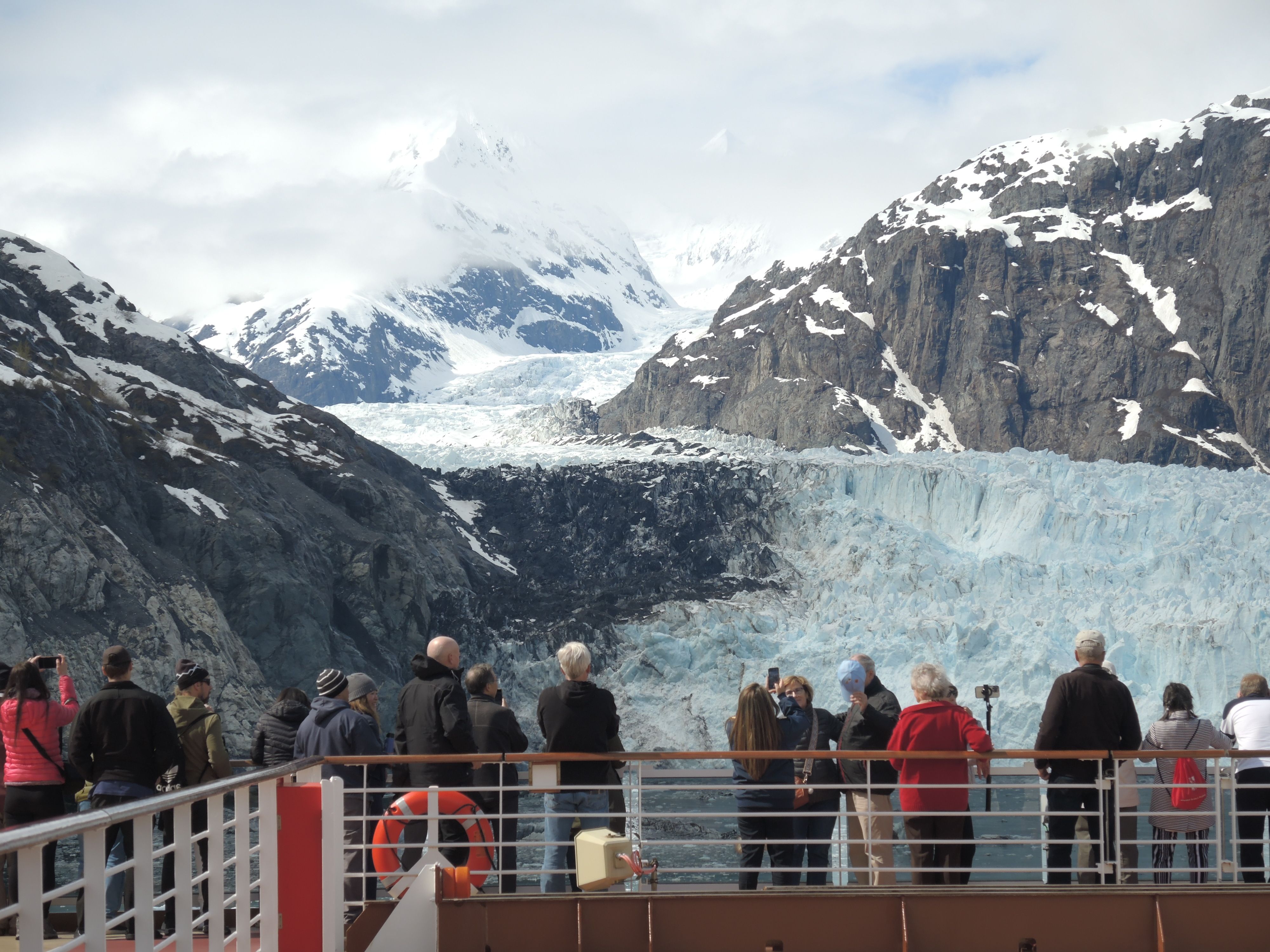
The glaciers are the point of the trip. Celebrity, which runs September sailings from Seward, Seattle and Vancouver, points to Hubbard and Dawes glaciers as the headline sights, and humpbacks are still feeding before they migrate south. A seven night roundtrip from Seattle aboard Royal Princess, departing September 5, 2026, with Glacier Bay on the route, was listed at $916 per person when I checked the fall schedule.
I think September beats July in Alaska on value and space. The trade is shorter daylight and a handful of tour operators closing for the season, so book excursions before you sail rather than on the pier.
2. Canada and New England: the foliage cruise, timed properly
This is the fall cruise everyone pictures, and 2026 is shaping up to be a good year for it. After a drought-shortened 2025, forecasters expect a slower, longer season. The Old Farmer’s Almanac’s 2026 fall foliage map has the color front starting in late September in the north and rolling south through October.
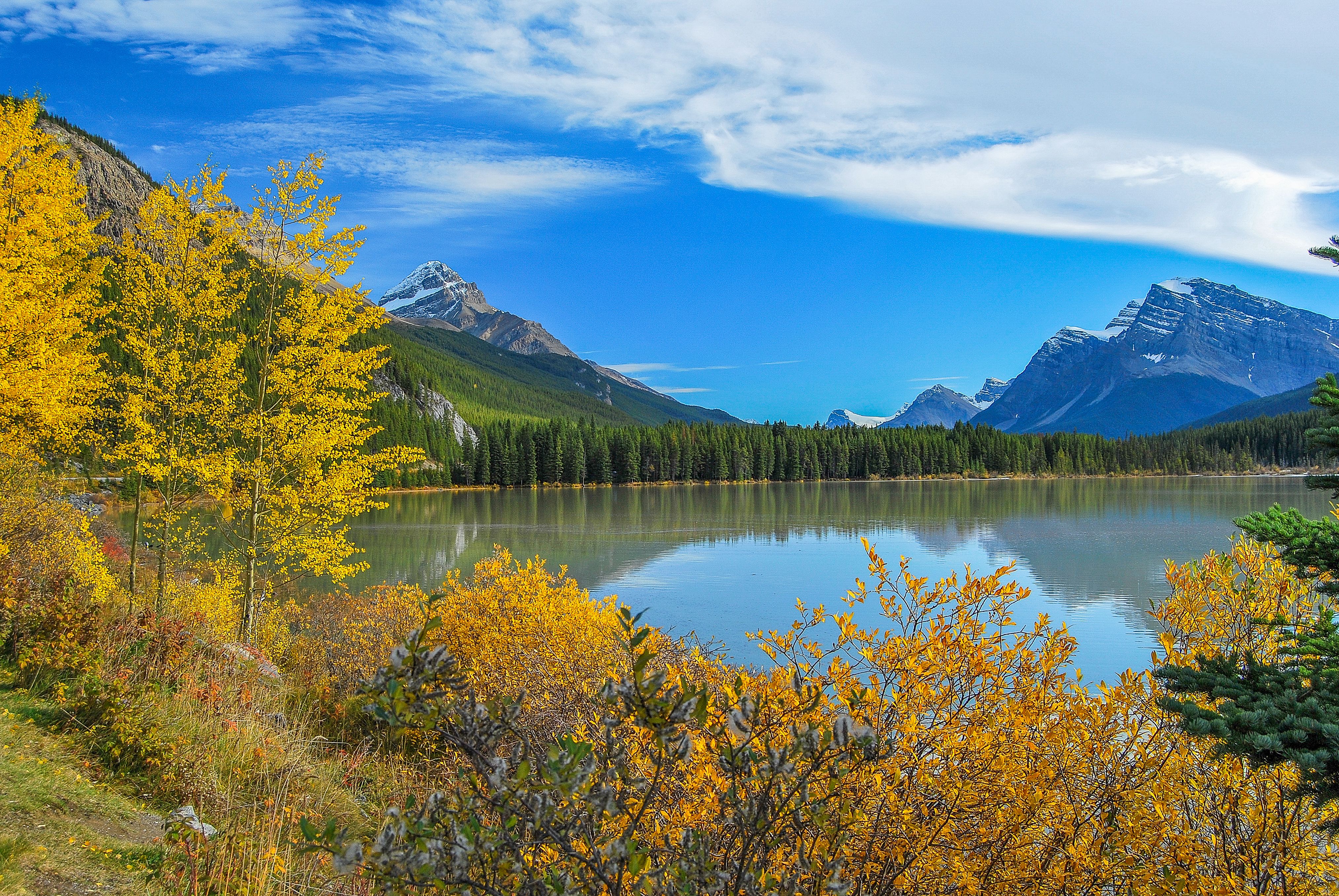
Timing moves north to south. The Almanac puts northern New England first, with coastal Maine close behind in early October. Josh Halman, a forester with Vermont’s Forests, Parks and Recreation department, told the Boston Globe that “red maples are often one of the early species to show off their brilliant colors,” with sugar maples, birches and oaks trailing a little later.
The mistake most first timers make is booking a New England loop that treats Canada as a single endpoint. Maritime Canada holds its color longer, so an itinerary with two or three Canadian nights in Halifax, Sydney, Saint John or Quebec City gives you a second window if the first one underdelivers.
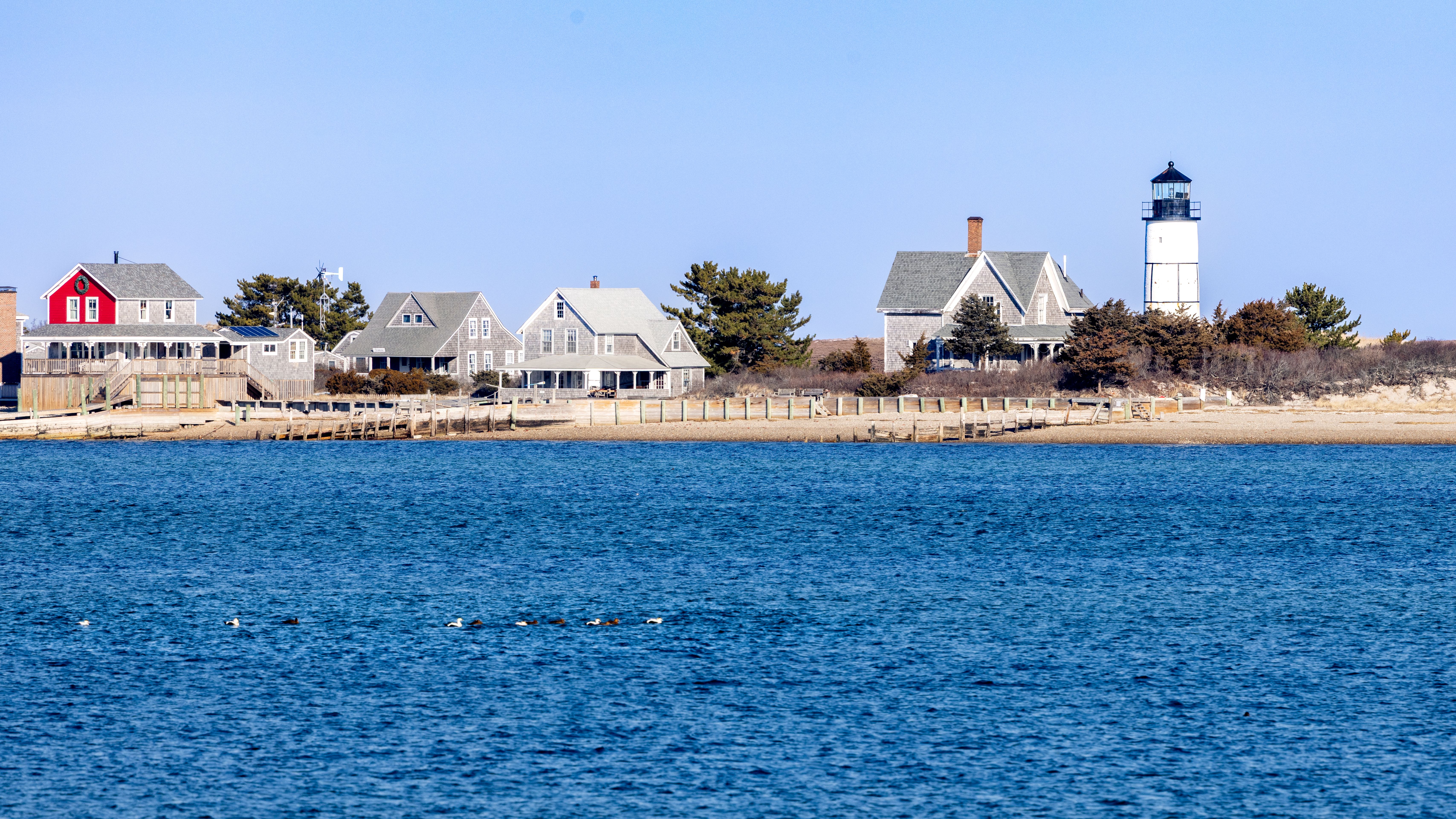
A seven night Quebec City to Boston sailing, or the reverse, is the classic shape. Longer 10 to 14 night routes add Cape Breton and the St. Lawrence corridor, where the color runs deepest.
3. Norwegian fjords from London: the no-fly option
If you want big scenery without a long haul flight, this is the one. Southampton, about an hour by train from central London, is Europe’s leading turnaround cruise port, with five terminals and around three million passengers a year, according to port operator Associated British Ports.
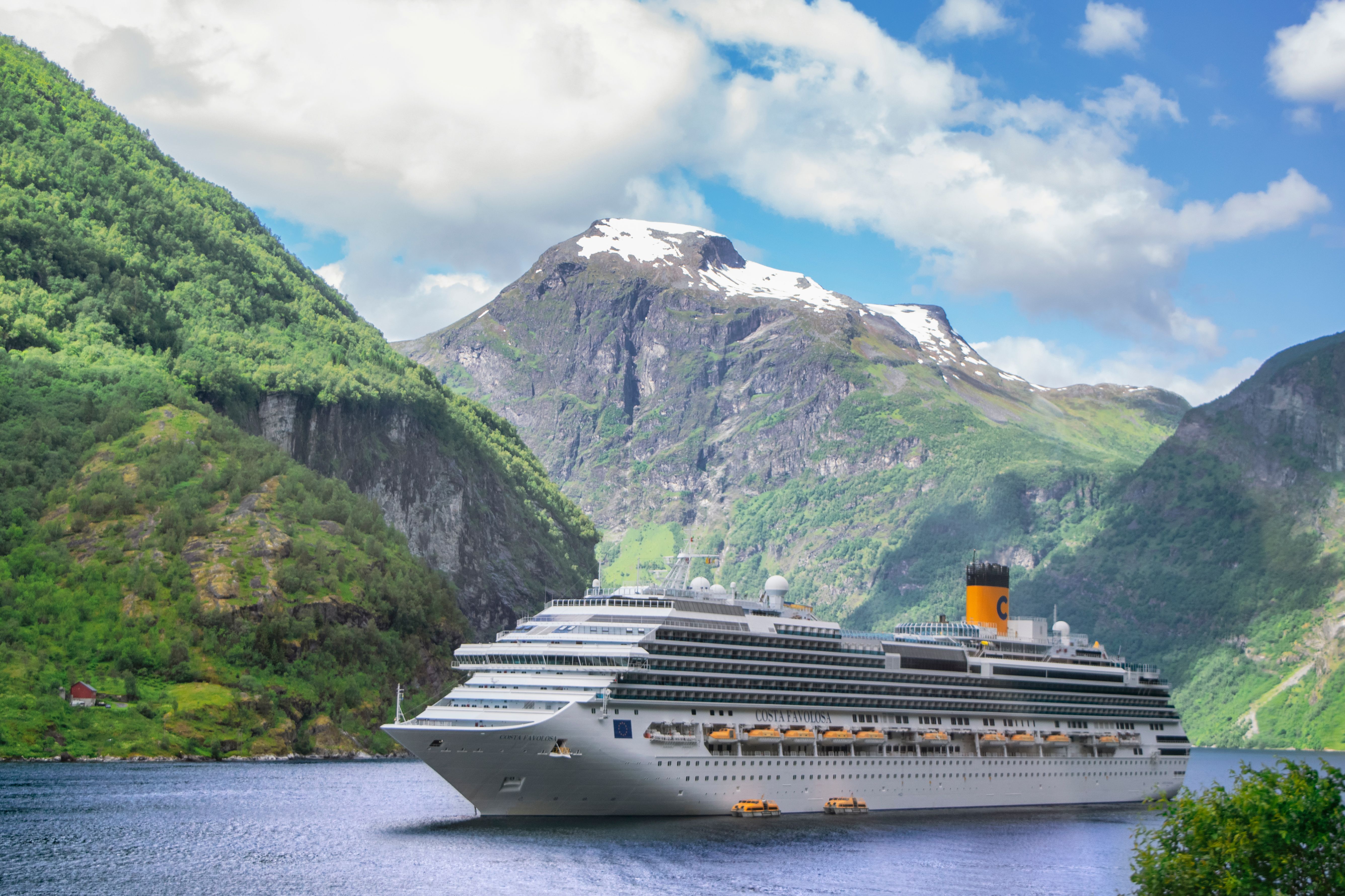
Several lines run late season Norway sailings from Southampton in 2026. P&O’s Aurora departs October 8 for a 12 night fjords roundtrip, with inside cabins listed from £1,307 per person when I checked, while Britannia leaves October 2 for nine nights from £969. Cunard’s Queen Anne sails October 13 on a 12 night Norway and North Cape route. Autumn brings low light, fuller waterfalls and far fewer ships in the fjords than July.
London is the natural pre-cruise stop, and it deserves better than an airport hotel. Solo travelers often look for London escorts to have company for an evening in the city, a personal choice that, like any overseas booking, is worth arranging through a service you have vetted first.
4. The Mediterranean: September for reliability, October for price
Cruise Critic’s seasonal guide is blunt about the trade. September and October combine lighter crowds with good weather, but October brings cooler nights, more rain and potentially rougher seas later in the month. Fares soften as summer demand eases.
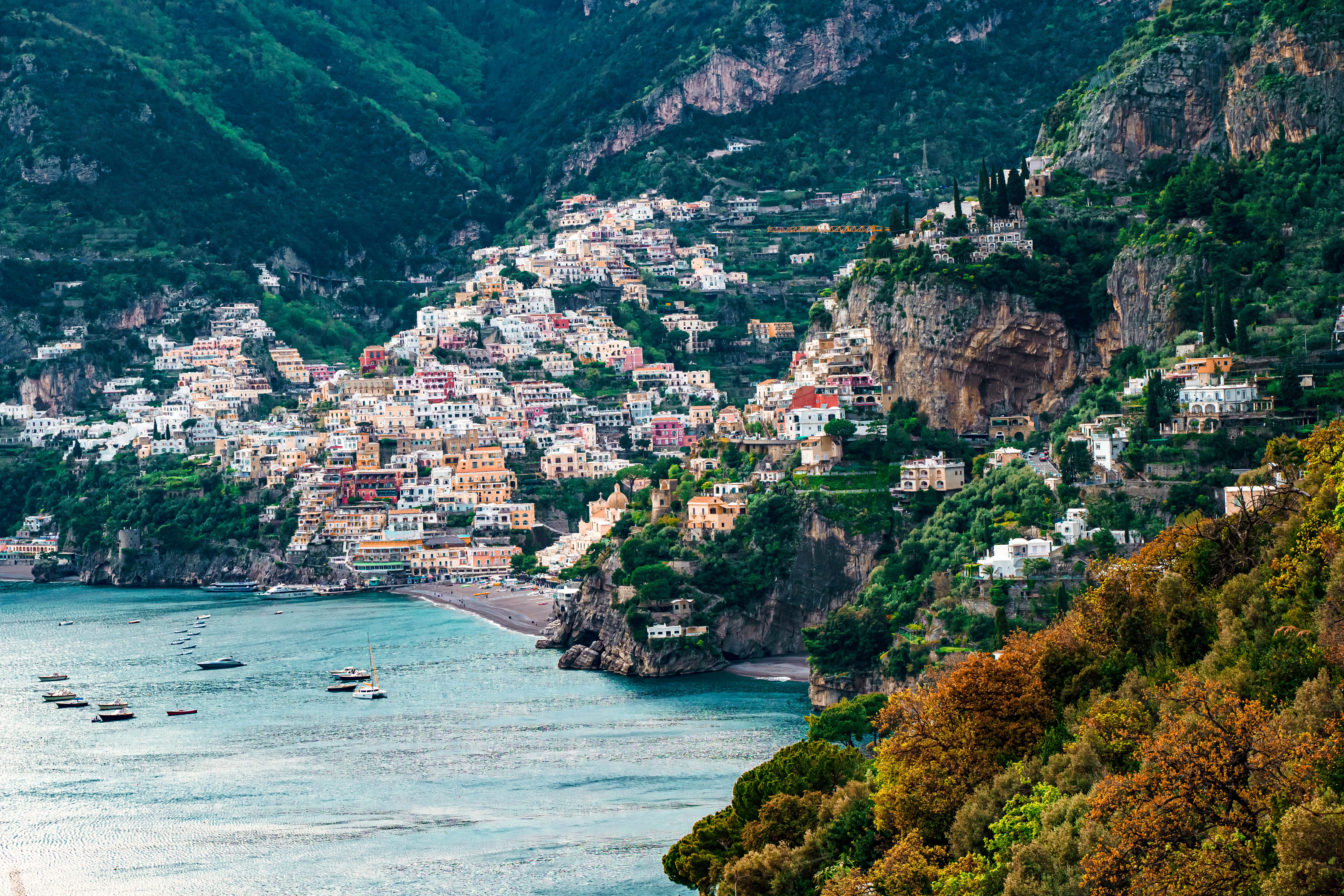
What you gain is a coastline that belongs to locals again. Positano and the Amalfi Coast shed the August crush, the Tuscan grape harvest lands in the first week of September, and daytime highs can still reach the 70s.
Here is the honest counterweight, and I would not ignore it: autumn storms do cancel ports. One traveler who documented two October Mediterranean itineraries on the EverOnBoard blog lost one port day to a storm and another to drizzle out of thirteen. Eleven were sunny. That is the deal you are making.
So which do you book: the September sailing that is reliable and a little pricier, or the October one that saves you real money and might cost you a port? I would take September if the itinerary is the point and October if the fare is. Either way, pack a rain layer and hold your port plans loosely.
5. The Danube: Central Europe’s river season runs late
River cruises do not stop for autumn; they lean into it. The Danube corridor between Budapest and Passau stays in service into November, which makes it the most flexible item on this list.
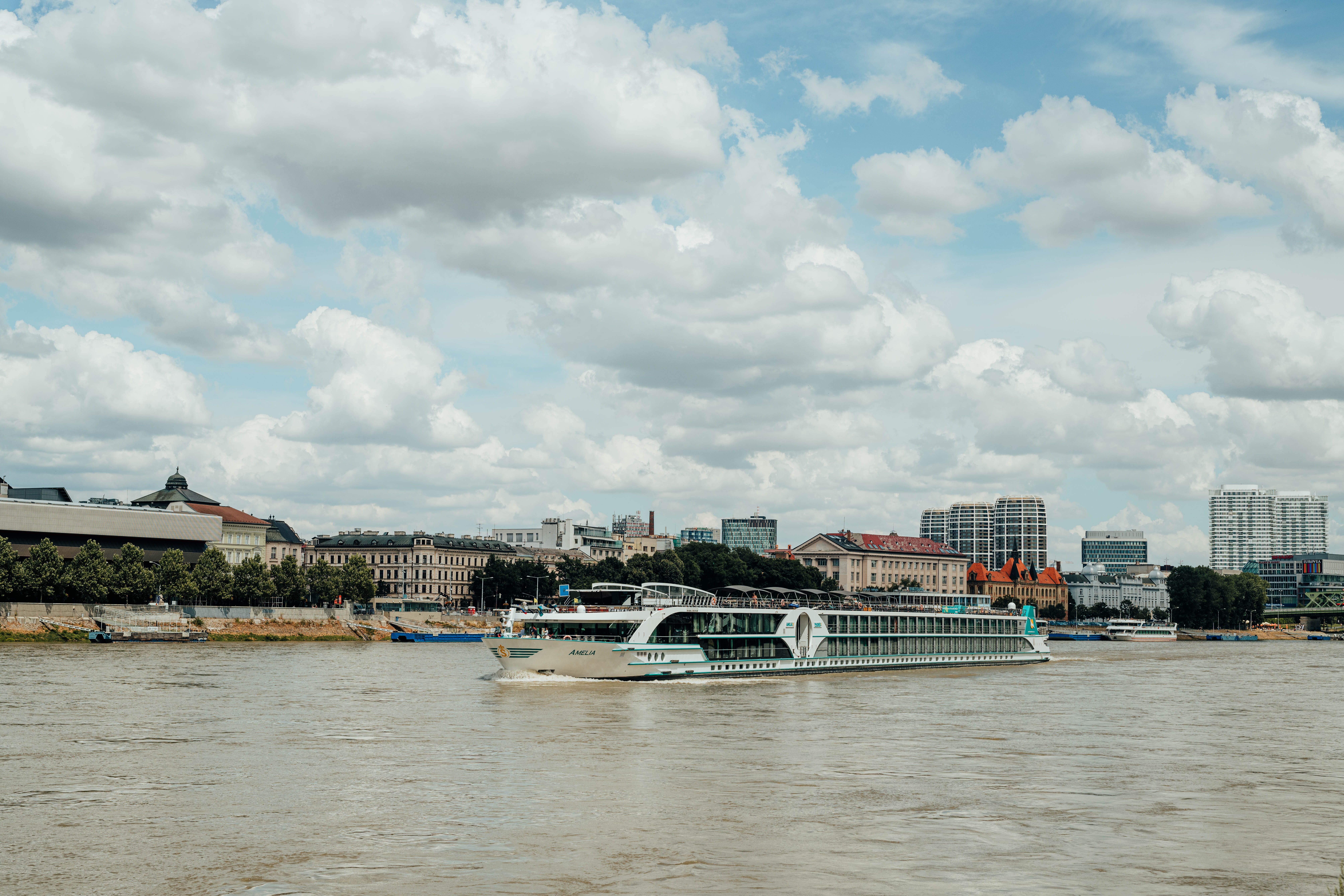
Scenic Amber, for example, runs an eight day Budapest to Munich sailing from October 19 to 26, 2026, calling at Bratislava, Vienna, Dürnstein and Melk, and Passau. Avalon Waterways’ Danube Dreams leaves Budapest on October 27 for seven nights from £1,976 per person. The Wachau Valley’s vineyard slopes are the scenic high point, and Bratislava’s compact old town makes for an easy port day.
My judgment: for shoulder season stability, a river beats the open sea. You trade the drama of an ocean crossing for calmer water and a city centre at the end of the gangway. The catch is that river towns are small, so a run of rainy days leaves you fewer indoor alternatives than a big city port would.
6. Japan: Kyoto’s maples wait until December
Japan’s foliage season runs the opposite direction to its cherry blossoms: north to south, starting in Hokkaido and finishing in the west. The Japan Meteorological Corporation’s first 2026 forecast, released September 2, expects a later than usual peak in several regions because of a hot summer.

For the classic Tokyo and Kyoto route, that means late November into mid December. The forecast puts Kyoto’s ginkgo peak around November 27 and its maple peak around December 11, with Tokyo at November 26 and November 29. The tradition of momijigari, or leaf hunting, is centuries old, and it is why temple gardens are lit for evening viewing.
Kyoto in maple season is worth the crowds, but only if you start early and skip the marquee temples at midday. Nara, Shiga and Osaka are viable alternatives when central Kyoto feels overrun.
7. India’s east coast: Chennai as a gateway, with a Delhi detour
This is the wildcard, and it comes with a caveat I will not bury. Chennai Port has become India’s Bay of Bengal cruise gateway. On June 20, 2026, it handled a record 3,600 passengers in a single day, per the Press Information Bureau, launching a season of 21 voyages through August, with itineraries to Hambantota, Trincomalee and Jaffna in Sri Lanka plus the Indian coast.
The catch is that the Chennai season runs mid year, not in fall. If you want a fall 2026 sailing from the city, verify the schedule first. What fall does suit is the land portion of the trip.
Chennai itself rewards a slow day or two: Marina Beach, the Kapaleeshwarar Temple and a proper South Indian breakfast. Travelers who want company after dark look for Chennai escorts when planning an evening out.
Then there is Delhi, the classic pre-cruise stop. Delhi Tourism’s Golden Triangle itinerary links the capital with Agra and Jaipur, and October and November bring the most comfortable weather of the year for it. For evenings once the monuments close, some visitors search for Delhi escorts to have company.
My honest read: the Delhi plus Chennai combination is a strong land trip with a cruise attached, not a cruise trip with a land add-on. Book it in that order and the timing stops being a problem.
Pick by what you actually want
- Peak fall color: Canada and New England, late September to mid October.
- Shoulder season value on a warm sea: the Mediterranean in October.
- Glaciers and wildlife on a budget: Alaska in September.
- No long haul flight: Norwegian fjords from Southampton.
- Calm water and old cities: the Danube in October or November.
- Late color and culture: Kyoto in late November or early December.
- A land trip with a sailing attached: Delhi and Chennai, dates verified.
Fall cruise questions, answered
Is fall a good time for a cruise?
For most regions, yes. Fares drop after the school holidays, ports are quieter, and the weather is still workable in Alaska, the Mediterranean, northern Europe and Japan. The main risk is storm season in the Atlantic and in the Mediterranean in late October.
Which fall cruise has the best foliage?
Canada and New England. Based on the 2026 Almanac map and Boston Globe reporting, northern New England and Maritime Canada turn first in late September and early October, with coastal Maine and southern New England following through mid to late October.
When should I book a fall 2026 cruise?
Earlier than you think. Early October foliage departures and popular fjord sailings fill first, and the planning guidance I read recommends booking peak October departures nine to twelve months ahead. At this point, expect to shop less popular dates for the best remaining cabins.
Does hurricane season affect fall cruises?
It can. The Atlantic season runs into November, and ships reroute around storms. Mediterranean sailings carry their own late October rain and sea risk, as Cruise Critic notes. Flexible port expectations and travel insurance are sensible.
What is the cheapest fall cruise?
Late season Alaska and October Mediterranean sailings tend to be the best value, because demand falls fastest there. On the schedules I checked, September Alaska roundtrips from Seattle started under $1,000 per person and October Mediterranean fares dipped below summer pricing.
How this article was put together
I checked the CLIA 2026 State of the Cruise Industry report (April 2026), the Japan Meteorological Corporation’s September 2, 2026 foliage forecast, The Old Farmer’s Almanac’s 2026 foliage map, port data for Southampton and Chennai, and the 2026 schedules and listed fares published by several cruise lines and agents. Fares change constantly and are per person, so treat every price here as a snapshot rather than a quote. The one timing question I could not fully resolve is Chennai’s fall schedule, which is why the article tells you to verify it. Recheck departure dates before you book.