 World Magazine 2024
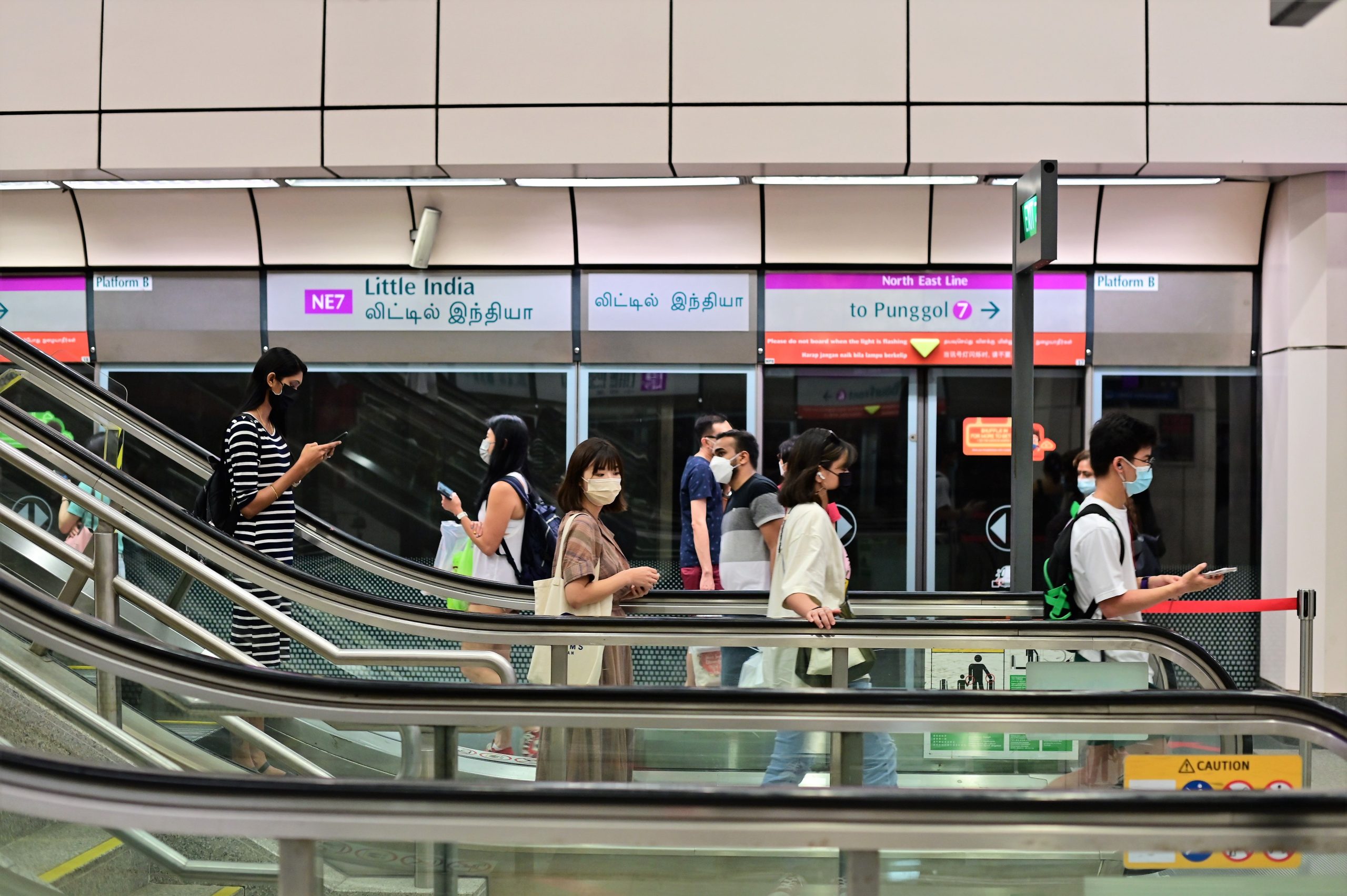
Anyone who has sold property in Singapore knows the first question most buyers ask. It is rarely about the kitchen or the floor level. It is almost always the same: how far is the MRT? Location sells first. The kitchen and the floor plan come a distant second.
Transport access is the closest thing the local market has to a universal value driver. It shapes who wants a home, how fast it sells and how much buyers will pay. For suburban projects, a good rail link can separate homes that hold value from homes that drift over a full decade.
So the transport picture around Senja deserves more than the single line it usually gets in brochures. We have broken it down honestly and carefully below, including the parts marketers usually prefer to skim past, so buyers can judge resale prospects with realistic expectations and clear numbers rather than hopeful assumptions.
Table of Contents
Ten Transport Factors That Shape Resale Value
Nearest LRT Station
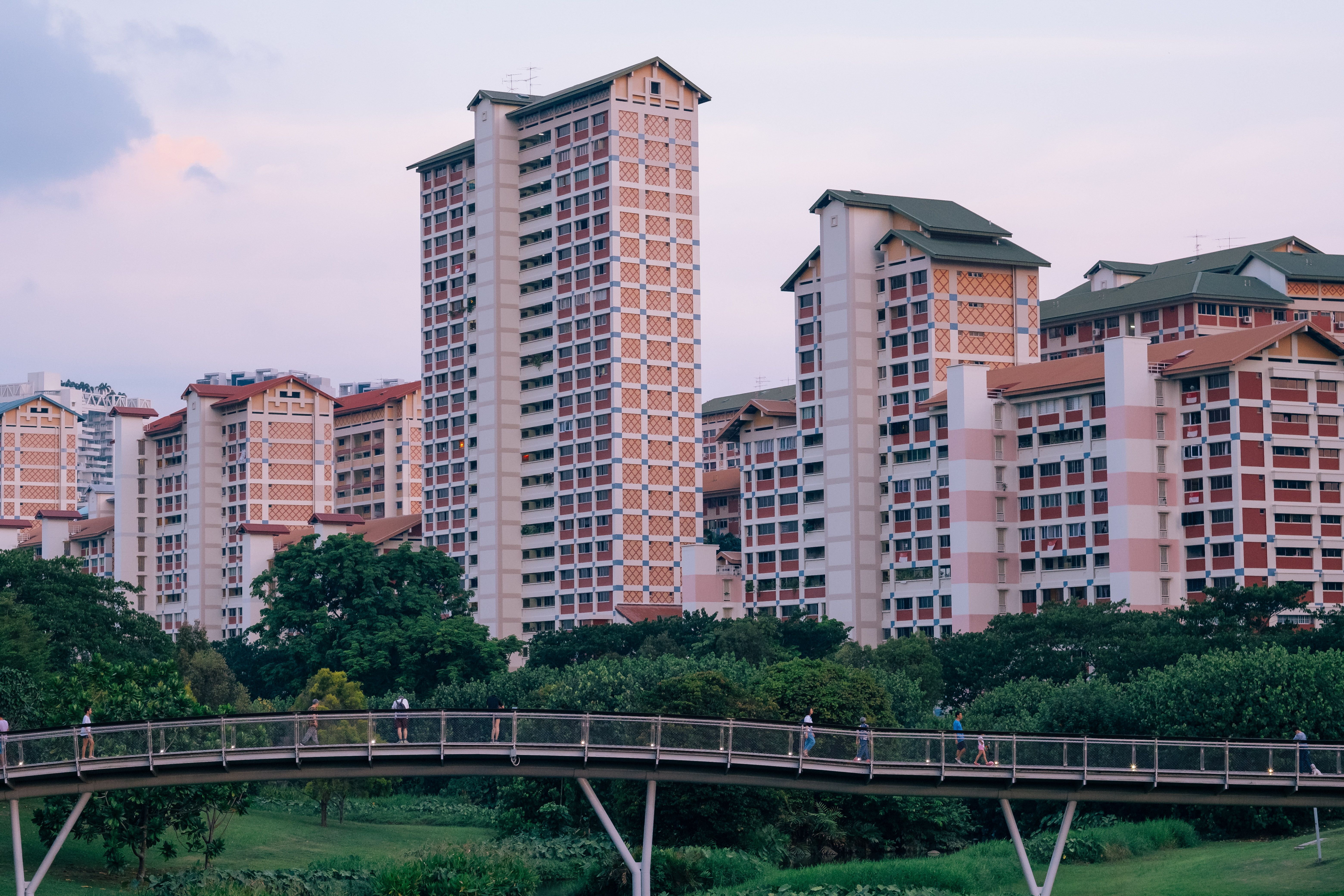
Solano Grand sits near Jelapang LRT on the Bukit Panjang loop, giving residents a short walk to rail.
People in Senja use it every day and barely think about it. The LRT hop is just normal here.
Downtown Line Connection
The LRT feeds Bukit Panjang MRT on the Downtown Line, which runs through Beauty World and Botanic Gardens into town.
A Downtown office worker can stay on one line once boarded, avoiding further transfers.
North-South Line Option
In the other direction, the LRT reaches Choa Chu Kang, where the North-South Line provides another route.
Residents heading to Jurong East or Woodlands often find this direction noticeably faster than the Downtown Line.
The Transfer Discount
Buyers usually pay less for homes needing a feeder ride than for homes within walking distance of MRT.
Look at older LRT-served condos in Bukit Panjang next to MRT-adjacent ones. You’ll see the gap straight away.
Local Buyer Tolerance
Most future resale buyers here will be locals who already accept the LRT as everyday transport.
A Teck Whye family upgrading in 2035 won’t blink at the LRT. An outsider might.
Downtown Line Extension
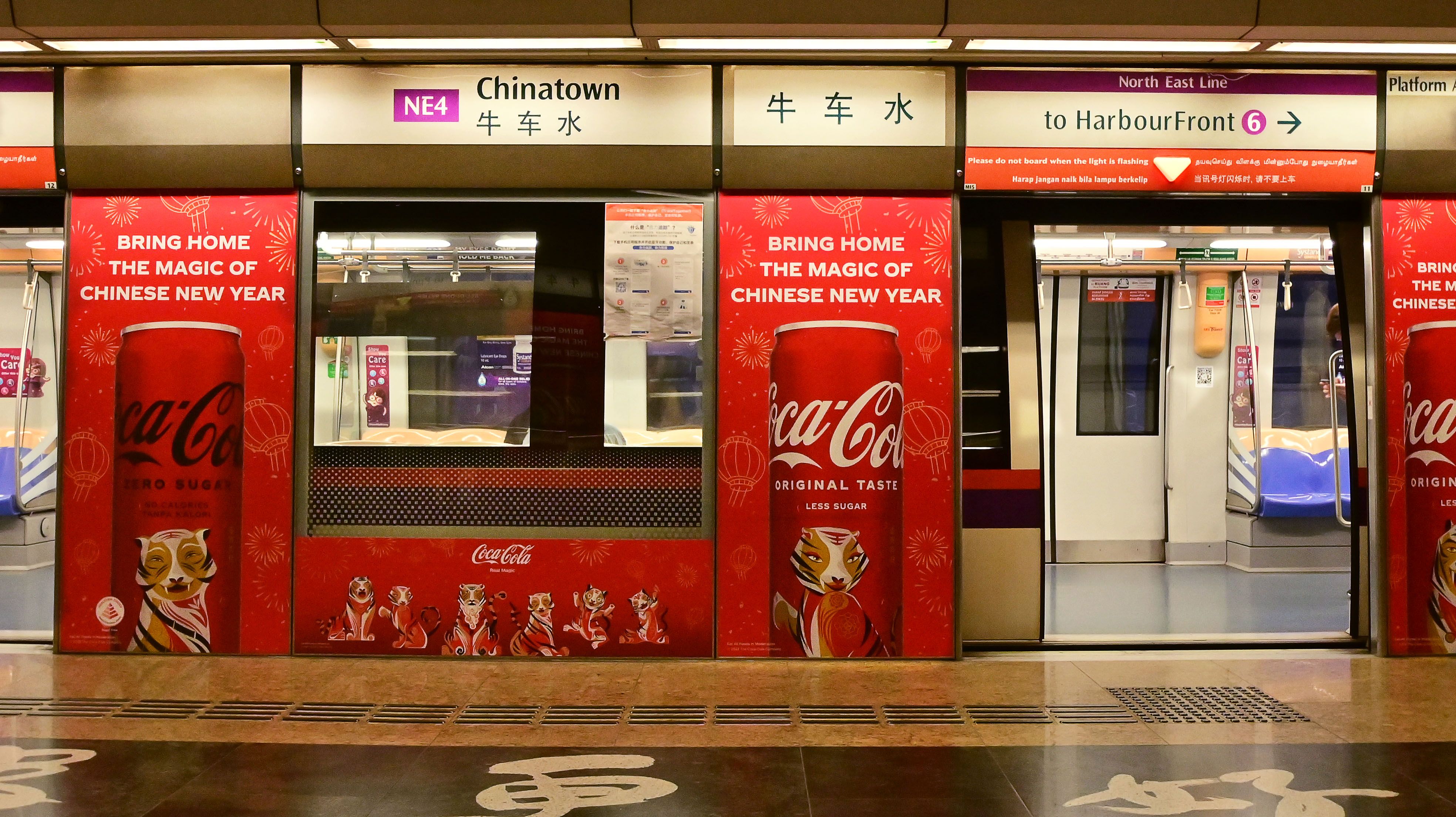
The planned Downtown Line 2 Extension will continue beyond Bukit Panjang to meet the North-South Line.
Infrastructure like this usually widens the buyer pool, but buyers should treat it as upside, not a foundation.
Bukit Timah Expressway
The BKE is close, linking north toward Woodlands and south toward the PIE and the city.
If you drive, this probably matters more than the LRT. Mention it loudly when you resell.
Kranji Expressway Westward
The KJE gives quick, direct access west toward Jurong, Tuas and the growing western employment areas.
An engineer working in Jurong today could drive there in reasonable time outside the heaviest peak traffic.
Bus Network Coverage
Bus services link Senja to the town centre, Choa Chu Kang and nearby estates throughout the day.
Once the site plan appears, check which stops sit closest to the gate; a stop outside adds resale appeal.
Peak-Hour Reality Check
Timetables never tell the full story. Peak-hour LRT waits can add several minutes to each journey.
Before booking, do the 8am ride from Senja to your office yourself. Time it door to door.
Comparing Solano Grand to Wynwood Grand
On transport alone, Wynwood Grand holds the stronger hand today. It sits near Woodlands South MRT on the Thomson-East Coast Line, with no LRT in between. The TEL runs directly through Caldecott, Stevens, Orchard, Great World and Marina Bay, and residents can switch to the North-South Line at Woodlands station. For a lot of office workers in town, that’s one train, start to finish.
Wynwood Grand also gains a cross-border angle from the Johor RTS Link at Woodlands North, two TEL stops away. That widens its future buyer pool in a way Solano Grand cannot match. Together, those factors give the Woodlands project a clearer, simpler transport advantage when owners eventually sell after MOP.
Solano Grand has different strengths. It reaches two rail lines through the LRT, enjoys strong expressway links via the BKE and KJE, and gains future upside from the Downtown Line extension. It is also closer to Bukit Timah and the west. Land costs were close, at roughly SGD 771 versus SGD 782 psf ppr, so transport may explain any price gap. Drivers and west-side workers may prefer Senja, while Orchard and Marina Bay commuters will likely prefer Woodlands.
Conclusion
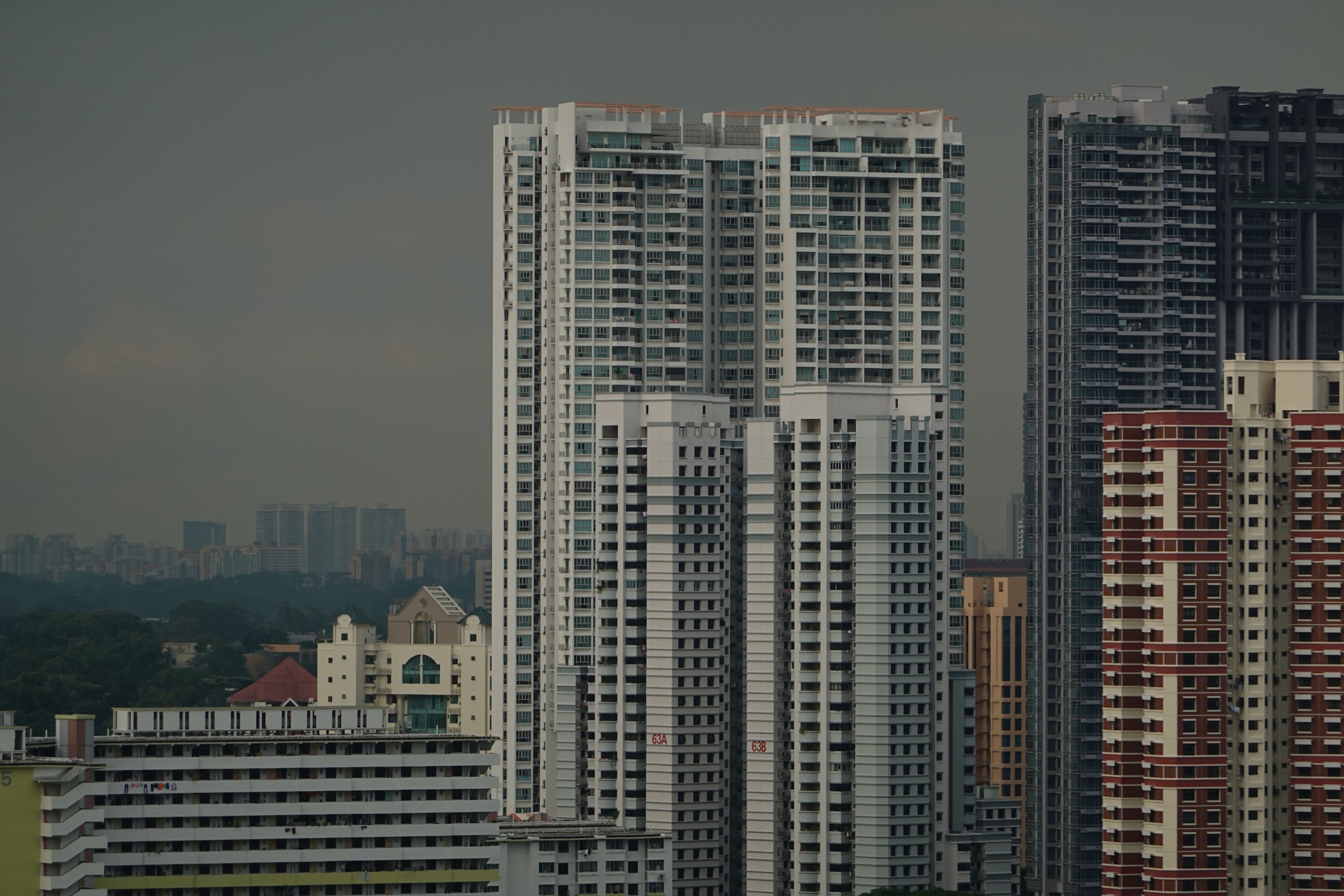
Transport will shape what Solano Grand is worth in ten years, so it deserves careful thought now. The LRT hop is a real but modest drawback, softened considerably by the fact that most likely buyers are locals who already accept it as part of daily life. That matters more than people think.
The expressway access is a genuine strength that sellers should emphasise, and the Downtown Line extension adds credible future upside. If the extension has opened by the time owners sell, even better for sellers. If it is still under construction, it at least gives agents a believable story to tell prospective buyers.
Then weigh all of it against the launch price. If the psf reflects the LRT reality fairly, the transport picture supports steady, healthy resale demand. If the price assumes MRT-level convenience, buyers are paying for something the location does not yet deliver, and that gap rarely closes quickly or easily.
FAQs
How long is the walk to Jelapang?
The exact walking time depends on the final gate position, which the approved site plan will show. Buyers should walk the route themselves, checking shelter, crossings, lighting and pavement conditions along the way.
Does the LRT run late at night?
The LRT generally operates from early morning until around midnight, similar to MRT lines. Late-night travellers should check current operating hours, since schedules can change during maintenance works or upgrades.
When will the extension open?
Don’t assume any firm date just yet. Large rail projects move in stages, and timelines can shift, so buyers should rely only on official LTA announcements for confirmed opening dates.
Is owning a car necessary here?
Not necessarily. Many households manage well with the LRT, MRT and buses. However, families with irregular schedules or western workplaces often find a car makes daily logistics much easier to manage.